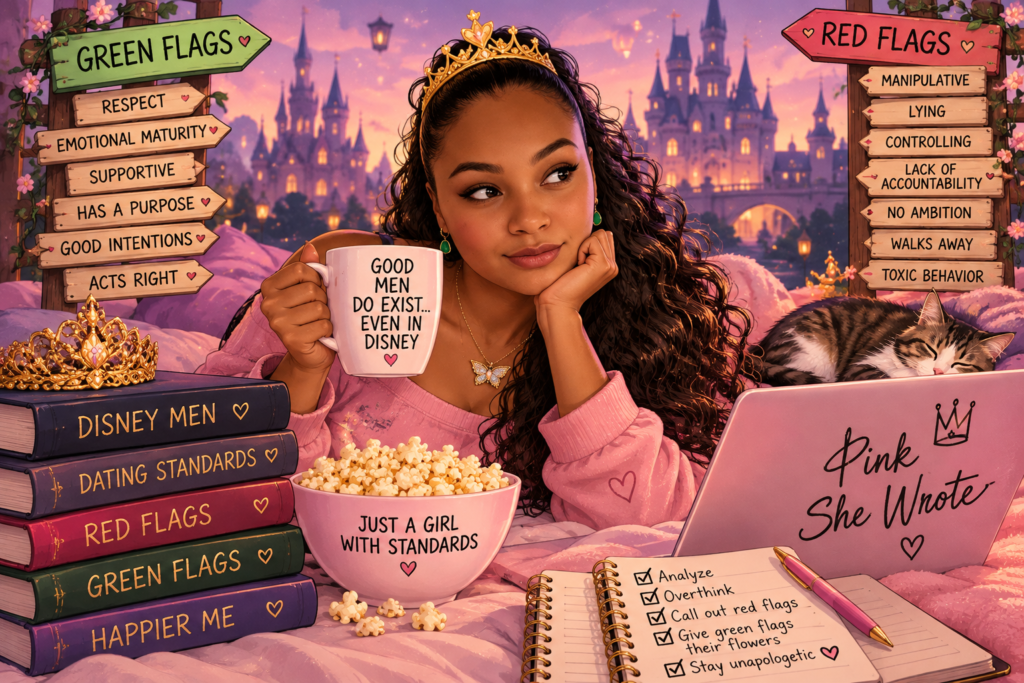
Because a handsome face, a royal title, and a catchy love song do NOT automatically make a man boyfriend material.
Growing up, Disney had us believing that Prince Charming was the ultimate romantic partner. He was handsome, heroic, wealthy, and would supposedly sweep us off our feet and give us the happily ever after we deserved.
And as little girls, we ate that shit up.
But now?
Girl, please.
As a grown woman with standards, boundaries, life experience, and a fully developed frontal lobe, I have started looking at these Disney men VERY differently.
Because when you remove the romantic music, magical settings, handsome faces, and childhood nostalgia, some of these men demonstrate behaviors that would have me telling my girlfriends to BLOCK THEM.
Immediately.
But surely not every Disney man is a red flag, right?
Well, surprisingly, there are a few good ones.
And I do mean a FEW.
Previously on Pink She Wrote: Let’s Recap Those Red Flags
If you read my previous article, Disney Princesses Lied to Us About Love (And We Fell for That Shit), you already know I have some serious opinions about the romantic lessons Disney taught us growing up.
In that article, I questioned why certain behaviors were presented as romantic when, in real life, they would raise some pretty serious concerns.
Remember Cinderella?
We’re supposed to believe that Prince Charming was so captivated by Cinderella that he fell madly in love with her after one evening together.
Yet somehow, this man couldn’t identify the woman he supposedly loved without having practically every eligible woman in the kingdom try on a glass slipper.
Sir, did you fall in love with Cinderella or her shoe size?
Then there’s Beauty and the Beast.
Belle is intelligent, independent, compassionate, and loves reading.
But somehow, her love story involves being held captive by a man with serious anger issues who initially believes intimidation is an acceptable communication strategy.
And we’re supposed to celebrate because he eventually learns to behave like a decent person?
The bar is in HELL.
And let’s not forget Aladdin.
A charming, handsome young man who decides that the best way to win Jasmine’s heart is to disguise himself as a wealthy prince.
Because apparently, telling the truth was just too much to ask.
What bothers me about these stories isn’t necessarily that the characters are flawed. Flawed characters make interesting stories.
It’s that some of these relationships present questionable behavior as something a woman should tolerate, forgive, or even fix in the name of love.
And that’s where I have a problem.
Women are not rehabilitation centers for emotionally immature men.
Love shouldn’t require a woman to overlook manipulation, disrespect, dishonesty, or controlling behavior simply because a man is attractive or supposedly has a good heart underneath it all.
However, since I spent an entire article questioning Disney’s romantic red flags, I figured it was only fair to give credit where credit is due.
Because there are Disney men who demonstrate qualities I genuinely appreciate.
Men who have ambitions outside of pursuing women.
Men who respect their partners’ independence.
Men who understand that being strong doesn’t mean being controlling.
And men who are capable of personal growth without making their girlfriends responsible for doing all the emotional labor.
So, here are my Disney green flags.
Fair warning: My list is embarrassingly short.
1. Milo James Thatch — Atlantis: The Lost Empire
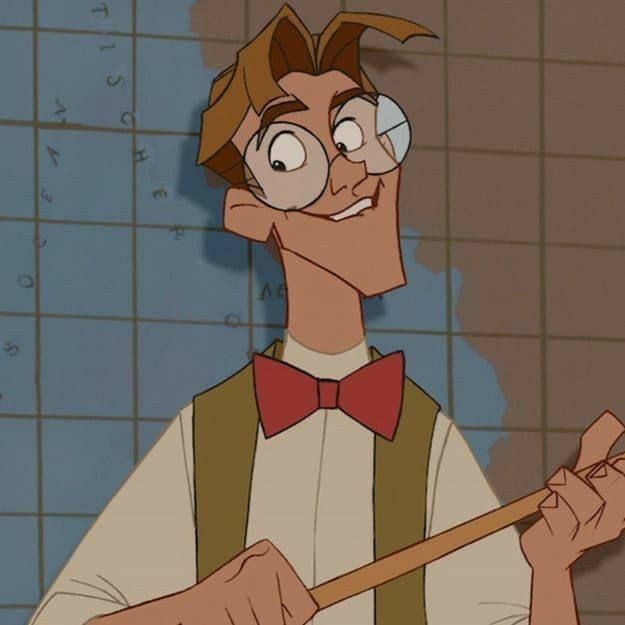
Let’s begin with my nerdy king, Milo James Thatch.
Now, I know Milo probably isn’t the first man who comes to mind when you think about attractive Disney love interests.
He’s not a prince.
He’s not particularly muscular.
He doesn’t have a kingdom, a fancy title, or a magical sword.
He’s a linguist and cartography expert who is passionate about discovering the legendary lost city of Atlantis.
In other words, he’s a nerd.
And I LOVE that for him.
Milo is intelligent, knowledgeable, compassionate, friendly, somewhat awkward, and incredibly passionate about his interests.
He’s also mild-mannered, which I find attractive.
But don’t mistake his gentleness for weakness.
Because one of the things I appreciate about Milo is that he has a backbone.
He’s gentle, but he’s not a pushover
Milo isn’t the type of man who needs to raise his voice, intimidate people, or constantly prove how masculine he is.
He generally approaches situations with curiosity, intelligence, and reason.
However, when he discovers that Commander Rourke intends to steal the Heart of Atlantis, regardless of the consequences for its people, Milo stands against him.
Despite being surrounded by trained soldiers and mercenaries, Milo refuses to abandon his principles.
He understands that what Rourke is doing is wrong, and he chooses to protect Atlantis rather than prioritize money or personal gain.
And that tells me something important about his character.
A genuinely good man should have principles that don’t disappear the moment following them becomes inconvenient.
Milo doesn’t need to be physically intimidating to demonstrate strength.
His strength comes from his convictions.
He respects Kida as an individual
Now, let’s discuss Milo’s relationship with Princess Kida.
One thing I find refreshing about their dynamic is that their relationship doesn’t immediately revolve around physical attraction or romance.
Milo is genuinely fascinated by Kida’s knowledge, her language, her history, and her civilization.
And Kida is curious about Milo as well.
Their connection develops through learning, cooperation, and mutual respect.
When Kida takes Milo to explore Atlantis, he listens to her, shares his knowledge, and works alongside her to understand what happened to her civilization.
He doesn’t immediately position himself as the superior expert simply because he’s an educated outsider.
In fact, their knowledge complements each other.
Kida understands her people and their history, while Milo has studied the ancient language and forgotten records.
Together, they uncover important information about Atlantis.
That is the kind of partnership I appreciate.
Two people bringing their own strengths into a relationship rather than competing over who is more important.
And while I’m sure Milo notices that Kida is beautiful, he doesn’t spend the entire movie obsessing over winning her affection.
He has an actual purpose.
He has his own identity and ambitions
This is probably one of my favorite things about Milo.
Before he even meets Kida, Milo already knows what he’s passionate about.
He loves history, languages, research, discovery, and continuing his grandfather’s work.
His identity does not revolve around finding a girlfriend.
And ladies, that matters.
I personally find men who have their own interests, ambitions, hobbies, and purpose attractive.
There’s nothing wrong with wanting love, but I don’t want a man whose entire sense of worth depends on whether a woman gives him attention.
Milo doesn’t need Kida to validate his existence.
He already has a sense of purpose.
Their eventual relationship adds to his life rather than becoming the sole reason for it.
Why Milo is personally my type
Now, let me get a little personal here.
Out of all the Disney men on this list, Milo’s personality is probably the type I could genuinely see myself falling for.
And I mean that.
While Milo may not have the traditionally masculine appearance Disney often gives its leading men, his personality is what makes him attractive to me.
I’m personally drawn to men who are intelligent, kind, thoughtful, passionate about their interests, and comfortable being themselves.
I also appreciate someone who is a little introverted, awkward, and doesn’t feel the need to dominate every conversation or constantly seek attention.
And Milo checks quite a few of those boxes.
There’s something attractive about a man who can passionately explain a subject he loves, engage in meaningful conversations, and demonstrate genuine curiosity about the world.
I could honestly see myself sitting there listening to Milo enthusiastically explain an ancient civilization, and instead of being bored, I’d probably find his excitement adorable.
Because intelligence is attractive to me.
But intelligence combined with kindness, humility, emotional maturity, and a sense of humor?
Girl, NOW we’re talking.
And let’s not forget that attraction isn’t always immediate or purely physical.
Sometimes, someone’s personality makes them more physically attractive the longer you get to know them.
A man you might not initially consider your type can suddenly become incredibly attractive because of how he thinks, how he treats people, how he carries himself, and how comfortable you feel around him.
That’s the kind of attraction I could imagine developing toward Milo.
His personality is the kind that would make me want to know more about him, spend time with him, and eventually develop romantic feelings.
And personally, I find that much more appealing than a man who relies entirely on his looks, muscles, money, or charm to attract women.
Milo is a perfect example of how personality can create attraction rather than simply follow it.
He may not be everybody’s Disney dream man, but personality-wise?
He is absolutely my type.
And yes, I could see myself catching feelings for this nerd.
Unapologetically.
Does Milo have flaws?
Of course.
Milo can be naive, overly trusting, and socially awkward.
His enthusiasm for Atlantis sometimes causes him to overlook warning signs about the people around him.
He isn’t especially experienced at handling conflict or navigating complicated social situations.
But those flaws don’t make him disrespectful, manipulative, or controlling.
They’re areas where he can grow.
My verdict: GREEN FLAG.
Milo represents intelligence, integrity, kindness, and a form of masculinity that doesn’t rely on domination.
Give me a man who can teach me something, respect my intelligence, make me laugh, and stand up for what he believes in.
Nerdy men deserve their flowers.
And Milo?
Well, let’s just say I understand what Kida sees in him.
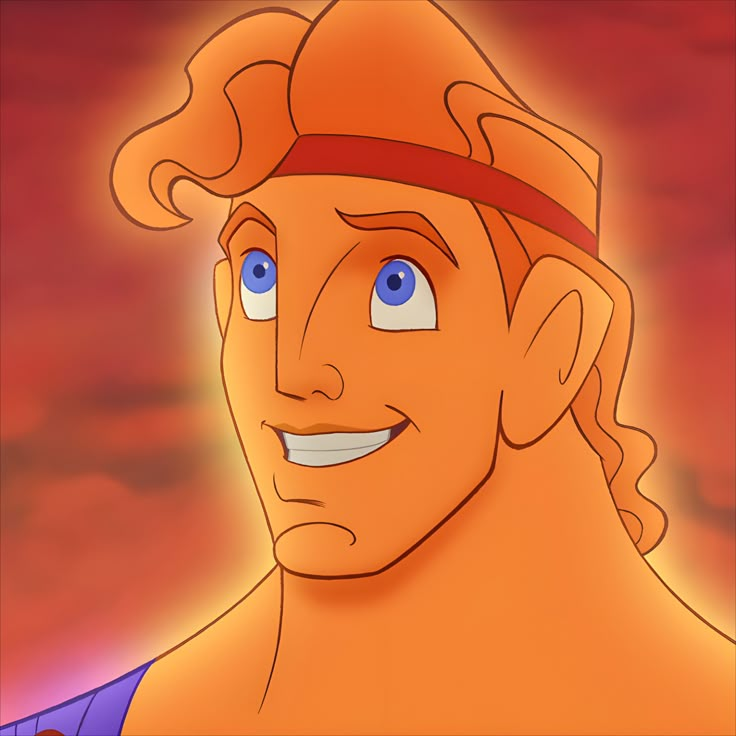
2. Hercules — Hercules (1997)
First of all, let me clarify something.
We’re talking about DISNEY’S Hercules.
NOT the Hercules from Greek mythology.
Because those are two VERY different men, and mythology Hercules has an entirely different list of problems.
Now, Disney’s Hercules is handsome, strong, muscular, and practically built like a Greek statue.
But that is NOT why he made my green flag list.
What attracts me to Hercules is his character, determination, sincerity, and willingness to make sacrifices for someone he loves.
He has ambition beyond romance
When we’re introduced to Hercules, he’s struggling to understand where he belongs.
After discovering that he is the son of Zeus and Hera, he sets out to become a true hero so he can regain his place among the gods on Mount Olympus.
This is his dream.
His purpose.
His entire motivation for training and becoming stronger.
And I respect that.
Hercules isn’t spending his days chasing women or trying to impress everybody with how attractive he is.
He wants to accomplish something meaningful.
Of course, he eventually becomes famous, and the attention goes to his head a little.
But he learns that being admired and being a genuine hero are not necessarily the same thing.
That’s an important lesson.
Because a man can have money, status, physical strength, and thousands of admirers while still lacking integrity.
Being popular doesn’t automatically mean you’re a good person.
He doesn’t punish Meg for being guarded
Now, let’s talk about Megara.
Meg is sarcastic, independent, guarded, and clearly has some trust issues.
And honestly?
Can you blame her?
She previously sacrificed her freedom to save a man she loved, only for that man to leave her for someone else.
After an experience like that, I can understand why Meg isn’t exactly jumping for joy at the thought of falling in love again.
She’s cautious.
She’s cynical.
And she’s not easily impressed.
But Hercules doesn’t treat her guarded personality as an insult to his masculinity.
He doesn’t demand that she immediately trust him.
Instead, he shows genuine affection and allows their connection to develop.
Sure, he’s awkward and inexperienced when it comes to romance, but his feelings are sincere.
And I appreciate that.
A woman having boundaries or emotional baggage does not automatically mean she needs a man to break those boundaries down.
Sometimes, she needs someone who understands that trust takes time.
He makes the ultimate sacrifice
Now THIS is where Hercules earns his place on my list.
When Meg sacrifices herself to save him and dies, Hercules doesn’t simply accept her fate.
Nope.
THIS MAN GOES STRAIGHT TO THE UNDERWORLD.
He confronts Hades and willingly enters the River Styx to retrieve Meg’s soul.
Mind you, this is incredibly dangerous.
The river drains the life from those who enter it, and Hercules is risking his own existence to save her.
And when he succeeds, his selfless act demonstrates that he has finally become a true hero.
He regains his godhood and earns his long-awaited opportunity to live with his family on Mount Olympus.
His dream has finally come true.
But then he makes another decision.
He chooses to remain mortal so he can live on Earth with Meg.
EXCUSE ME?!
THIS MAN GAVE UP GODHOOD FOR LOVE.
Meanwhile, some men act like remembering their girlfriend’s birthday is an unreasonable expectation.
What I find especially meaningful about Hercules’s decision is that women are so often expected to be the ones making sacrifices in relationships.
We’re expected to relocate, compromise our careers, adjust our dreams, and reorganize our lives around the ambitions of men.
But Hercules makes the sacrifice.
Not Meg.
He chooses the life he wants without demanding that Meg abandon herself to accommodate him.
And I find that incredibly romantic.
But should women expect men to sacrifice everything?
Now, let me clarify something before anyone misunderstands my point.
I don’t believe healthy love requires someone to surrender their identity, abandon their dreams, or put their entire life on hold for a partner.
That isn’t the standard I’m promoting.
What makes Hercules’s decision meaningful is that he makes it willingly, without resentment, pressure, or manipulation.
He realizes that his priorities have changed.
And he decides that living a meaningful life with someone he loves is more important to him than being a god.
There’s a difference between choosing love and being pressured into sacrificing yourself for it.
Does Hercules have flaws?
Absolutely.
He’s naive, inexperienced, impulsive, and initially vulnerable to the attention that comes with fame.
His innocence can make him easy to manipulate.
He also struggles to understand what being a true hero really means.
But he eventually learns that real strength isn’t measured by muscles, public recognition, or defeating monsters.
It’s measured by character and selflessness.
My verdict: GREEN FLAG.
Hercules is proof that a man can be physically strong while also being compassionate, vulnerable, and devoted.
And if a man is willing to go through hell for you?
Literally?
Girl, that is dedication.
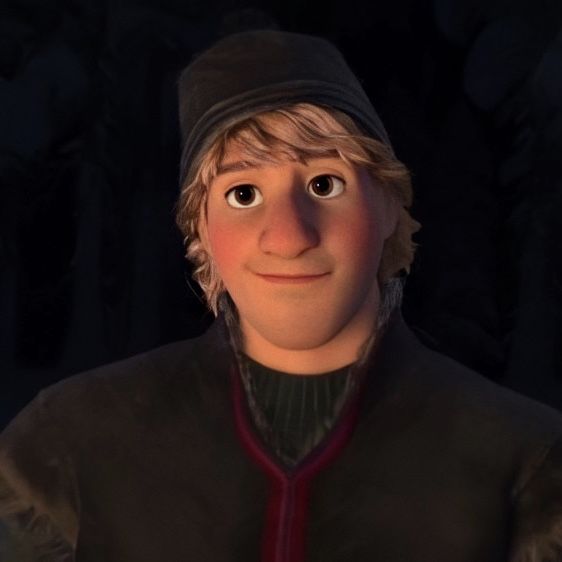
3. Kristoff — Frozen
Now THIS is a man who deserves more recognition.
Kristoff isn’t a prince.
He doesn’t own a castle.
He doesn’t have an extravagant wardrobe, royal servants, or an inherited fortune.
He’s an ordinary working man who harvests ice and spends most of his time with his reindeer, Sven.
And you know what?
I appreciate that.
Because sometimes the man without the crown is the better partner.
He’s hardworking and independent
One of the first things I appreciate about Kristoff is that he has a job and knows how to take care of himself.
He’s resourceful, practical, independent, and comfortable living a relatively simple life.
He doesn’t need royal status or wealth to feel important.
And unlike some Disney men who seem to have unlimited free time to pursue women, Kristoff actually has responsibilities.
I like that.
Now, being employed doesn’t automatically make someone a green flag.
Let’s not get carried away.
But having a sense of responsibility and a willingness to work are qualities I personally value.
Kristoff is capable of surviving on his own, solving problems, and adapting to difficult circumstances.
And in a relationship, those skills matter.
He doesn’t immediately fall at Anna’s feet
When Kristoff first meets Anna, he’s not immediately captivated by her beauty or trying to convince her that they’re destined to be together.
In fact, he finds some of her decisions ridiculous.
Especially when he learns that she agreed to marry Prince Hans after knowing him for approximately five minutes.
And honestly?
Kristoff, I understand.
Because WHO agrees to marry a complete stranger after one conversation?
Anna, baby, we need to discuss your decision-making skills.
What I appreciate about Kristoff is that he challenges Anna’s ideas instead of automatically agreeing with everything she says.
He questions her engagement to Hans and points out how little she actually knows about him.
And yes, he can be blunt.
But sometimes, genuine care includes being willing to tell someone when you think they’re making a terrible decision.
Not every disagreement is disrespect.
He values Anna’s independence
As their relationship develops, Kristoff begins to care deeply about Anna.
But he doesn’t treat her like property.
He doesn’t act as though her decisions should revolve entirely around him.
And most importantly, he doesn’t view her independence as a threat to his masculinity.
In Frozen II, Kristoff spends much of the movie trying to find the right moment to propose to Anna.
Now, I will admit that some of his attempts are painfully awkward.
Sir, please read the room.
But when Anna becomes focused on helping Elsa and protecting Arendelle, Kristoff ultimately recognizes that she has bigger responsibilities to handle.
And one of my favorite moments occurs when Anna is in danger and Kristoff arrives to help her.
Instead of making the situation about himself, he asks what she needs.
That scene is brief, but it says so much about his character.
He doesn’t need to be the center of attention.
He doesn’t need to prove he’s in charge.
He simply supports her.
That’s what a partnership should look like.
Two independent people helping each other succeed without competing for control.
He doesn’t pressure Anna into choosing him
Another thing I appreciate about Kristoff is his behavior when he believes Anna loves Hans.
Although he develops feelings for her, he initially takes her back to Arendelle so she can receive the kiss she believes will save her.
He doesn’t try to sabotage her relationship with Hans.
He doesn’t demand that she choose him instead.
He prioritizes her well-being over his romantic desires.
Now THAT is maturity.
Because liking someone doesn’t mean you’re entitled to their affection.
And loving someone doesn’t give you permission to control their decisions.
Kristoff demonstrates that he can care about Anna without making his feelings her responsibility.
Does Kristoff have flaws?
Of course.
Kristoff can be socially awkward, stubborn, blunt, and emotionally reserved.
His communication isn’t always the best, particularly in Frozen II.
And his tendency to misread situations can create unnecessary misunderstandings.
But his flaws don’t erase his loyalty, reliability, and willingness to support Anna.
He’s not perfect.
He’s simply a man who consistently demonstrates that he cares through his actions.
My verdict: GREEN FLAG.
Kristoff represents the kind of love that feels like teamwork rather than a competition.
And honestly, give me a hardworking, loyal man who supports my ambitions over a flashy prince with a questionable personality any day.
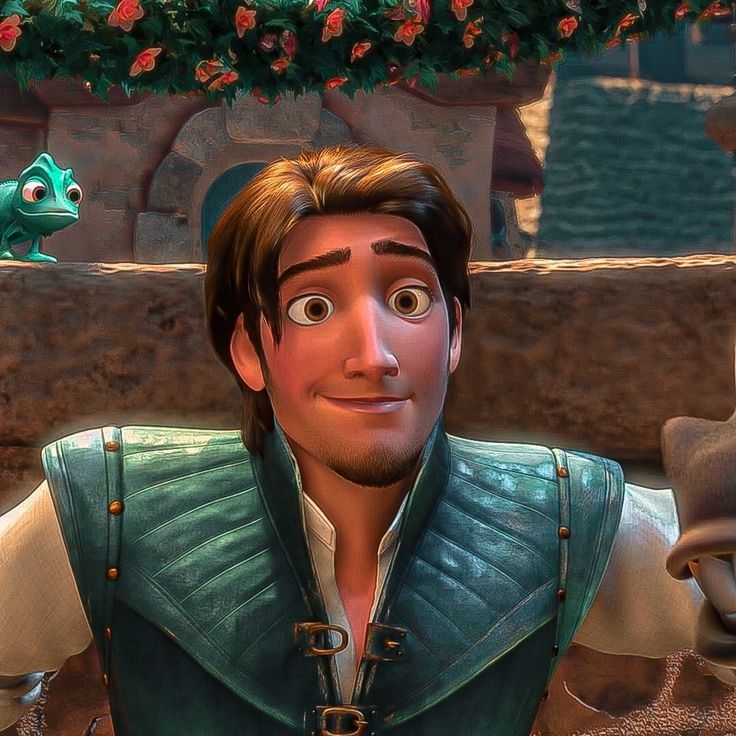
4. Flynn Rider (Eugene Fitzherbert) — Tangled
Okay.
Hear me out.
I KNOW Flynn Rider started off as a thief.
I KNOW he was selfish, dishonest, arrogant, and somewhat manipulative.
And yes, that famous smolder probably worked on quite a few women.
But before you start questioning my standards, allow me to explain.
Flynn Rider is on my green flag list because of who he becomes, not who he was when we first met him.
And that distinction is extremely important.
He starts off as a walking red flag
Let’s be serious.
At the beginning of Tangled, Flynn is NOT boyfriend material.
He’s a wanted criminal who steals a royal crown and hides inside Rapunzel’s tower to escape the authorities.
He initially views Rapunzel as an obstacle standing between him and his freedom.
And when he agrees to escort her to see the floating lanterns, his primary motivation is getting the stolen crown back.
Not exactly romantic.
He’s sarcastic, self-centered, dishonest, and accustomed to using his charm to get what he wants.
He even tries to discourage Rapunzel from leaving her tower by taking her to the Snuggly Duckling, hoping the intimidating atmosphere will scare her into returning home.
Sir, really?
That’s manipulative behavior.
And if Flynn had remained that person throughout the entire movie, he would NOT have made this list.
He learns to become emotionally vulnerable
As Flynn spends more time with Rapunzel, something begins to change.
He starts seeing her as a person rather than simply someone who can help him retrieve the crown.
He learns about her dreams, fears, curiosity, and desire to experience the outside world.
And eventually, he begins opening up about his own past.
We discover that Flynn Rider isn’t even his real name.
His actual name is Eugene Fitzherbert.
He grew up as an orphan and created the Flynn Rider persona after being inspired by a fictional adventurer.
Suddenly, his obsession with wealth, freedom, and appearing confident makes a little more sense.
He constructed an identity based on the person he wanted to become.
And I find that interesting.
Because sometimes people hide their insecurities behind arrogance, humor, and carefully constructed appearances.
That doesn’t excuse their behavior, but it helps explain it.
What matters is what they choose to do once they recognize those patterns.
Flynn gradually becomes more honest about who he is.
He allows Rapunzel to see Eugene rather than the charming, exaggerated persona he created.
A man who can acknowledge his vulnerabilities instead of constantly performing masculinity? GREEN FLAG.
He chooses Rapunzel’s freedom over himself
Now, here’s the scene that earns Flynn his place on my list.
When Flynn returns to rescue Rapunzel from Mother Gothel, he is stabbed.
Rapunzel offers to surrender her freedom and remain with Gothel if she’s allowed to heal him.
But Flynn refuses to let Rapunzel sacrifice the rest of her life to save his.
Instead, he cuts her magical hair, destroying its healing power and freeing her from Gothel’s control.
Even though he knows this decision may cost him his life.
That moment is significant.
Because Flynn has spent much of his life prioritizing his own survival and personal interests.
But now, he’s willing to put someone else’s freedom above his own needs.
He chooses Rapunzel’s well-being rather than allowing her to remain trapped in an abusive and controlling relationship.
And that, to me, demonstrates genuine growth.
But ladies, we are NOT dating men for their potential
Now, before somebody reads this and decides to give their unemployed, manipulative, emotionally unavailable situationship another chance because Flynn Rider changed, let me clarify something.
NO.
Absolutely not.
You are not Rapunzel.
Your boyfriend is not Flynn Rider.
And this is not a Disney movie.
You are not a rehabilitation center for men who refuse to take responsibility for their behavior.
A man having a tragic backstory does not excuse manipulation, dishonesty, or disrespect.
And loving someone doesn’t mean you’re obligated to tolerate mistreatment while waiting for them to become a better person.
Flynn earns his redemption through his own decisions.
Rapunzel influences him, but she doesn’t do the work for him.
That’s the difference.
Does Flynn have flaws?
Obviously.
His dishonesty, selfishness, and manipulation at the beginning of the film are serious character flaws.
And while his transformation is meaningful, it doesn’t automatically erase everything he did before.
But he demonstrates a willingness to change his priorities, become more honest, and care about someone beyond himself.
My verdict: GREEN FLAG — after significant character development.
We love accountability.
We love emotional growth.
But we do NOT love dating men who treat their potential as a substitute for actual effort.
Wait… That’s It?
Yup.
That’s it.
Four men.
Out of all the Disney princes, romantic leads, and supposedly irresistible animated men, only four made my personal green flag list.
I know some of you are probably clutching your pearls.
“WHAT ABOUT PRINCE ERIC?!”
“WHAT ABOUT ALADDIN?!”
“WHAT ABOUT LI SHANG?!”
Girl.
Do you REALLY want my opinion?
Because I promise you, childhood nostalgia is not going to protect these men from my criticism.
But since you insist, let’s discuss the men who didn’t make the cut.
Some were covered more extensively in my previous Disney dating article, so consider this the unapologetic lightning round.
Disney Men Who Didn’t Make My Green Flag List
Prince Charming — Cinderella
First of all, this man barely knows Cinderella.
He meets her at a ball, dances with her, and supposedly falls so deeply in love that he decides he must marry her.
Okay, fine.
Love at first sight is a common fairy-tale trope.
But can we discuss the fact that Cinderella disappears and the grand plan to find her involves a GLASS SLIPPER?
Sir.
You danced with this woman.
You saw her face.
You heard her voice.
And somehow the most effective search method you could come up with was having women across the kingdom try on a shoe?
What if another woman had the same shoe size?
What if Cinderella’s foot was swollen?
What if somebody stole the damn shoe?
And technically, the Grand Duke handles much of the search, which makes this whole situation even funnier.
Prince Charming, please.
Verdict: Not necessarily evil. Just underdeveloped and associated with an unnecessarily complicated shoe investigation.
Prince Eric — The Little Mermaid
Now, Prince Eric is handsome.
I’ll give him that.
He’s also courageous, kind, and willing to risk his life to protect Ariel.
So why isn’t he on my list?
Because I personally need more than a handsome face and a dramatic rescue scene.
Ariel is only 16 in the original animated film, and Eric is portrayed as an older young man.
That age difference makes me uncomfortable.
And let’s not forget that much of their early relationship develops while Ariel cannot speak.
He enjoys spending time with her, but they barely know each other.
Now, to be fair, Eric doesn’t knowingly take advantage of Ariel’s circumstances, and he does demonstrate genuine kindness.
But as an adult looking back at the relationship, I simply need more time, communication, and emotional development before declaring him an ideal romantic partner.
Verdict: Handsome, heroic, but not enough for my personal green flag list.
The Beast — Beauty and the Beast
Oh, where do I even begin?
This man has anger management issues, imprisons Belle’s father, and then holds Belle captive in exchange for her father’s freedom.
And somehow, this becomes one of Disney’s most celebrated love stories.
Now, I understand the message about looking beyond physical appearances and recognizing someone’s inner character.
That’s a beautiful lesson.
But can we acknowledge the obvious?
THE MAN NEEDS THERAPY.
He screams, intimidates, and struggles to regulate his emotions.
And Belle is expected to see the goodness underneath all that behavior.
Yes, he eventually becomes kinder and learns to love.
But the fact that he changes doesn’t mean his earlier behavior wasn’t alarming.
In the real world, I would never encourage a woman to stay with an intimidating or controlling partner simply because she believes she can bring out his softer side.
Verdict: Red flag in the beginning. Character growth later, but still not on my list.
Aladdin — Aladdin
The original catfish prince.
Aladdin is charming, adventurous, kindhearted, and absolutely willing to help people in need.
But let’s discuss his romantic strategy.
Instead of approaching Jasmine as himself, he uses one of his wishes to become Prince Ali.
He creates an entire royal persona because he believes his authentic self isn’t good enough for her.
And while I understand his insecurity, lying about your identity is not the foundation of a healthy relationship.
Jasmine already dislikes men who treat her like a prize to be won.
She wants freedom, independence, and the ability to make her own choices.
So why does Aladdin think pretending to be another arrogant prince is the answer?
Sir, you missed the entire point.
To his credit, he eventually tells the truth and learns to accept himself.
But that doesn’t change the fact that he initially tried to build a romantic relationship through deception.
Verdict: A charming man with insecurity issues and a serious honesty problem.
John Smith — Pocahontas
Colonizer.
Next.
Okay, fine. I’ll elaborate.
John Smith arrives in Virginia as part of an English colonial expedition.
And although the movie portrays his relationship with Pocahontas as a romantic connection between people from different worlds, the larger historical context makes that relationship difficult for me to romanticize.
The film softens the realities of colonization and presents an idealized story around historical figures whose actual circumstances were far more troubling.
Yes, Disney’s John Smith eventually challenges Governor Ratcliffe’s actions and comes to respect Pocahontas and her people.
But I still have no interest in celebrating him as my ideal romantic partner.
Verdict: Not my green flag. Moving on.
Li Shang — Mulan
Now I KNOW this one is going to upset some people.
Because Li Shang is attractive.
He’s disciplined.
He’s physically fit.
He has leadership skills.
And apparently, that’s enough for some people to overlook everything else.
But I have not forgotten what happened on that mountain.
Mulan saves the army from the Huns and is injured in the process.
Then, when it’s discovered that she’s a woman, Shang spares her life but leaves her behind in the snow.
Now, yes, I understand that Mulan violated military rules by disguising herself as a man.
And yes, Shang was operating within a rigid military system.
But from my perspective?
THIS WOMAN JUST SAVED YOUR LIFE.
And your response is to leave her alone in a freezing mountain environment?
Absolutely not.
To his credit, Shang eventually recognizes Mulan’s bravery and contribution.
But I personally need more emotional intelligence and compassion from a romantic partner.
Verdict: Attractive? Yes. A man I would personally date? Absolutely not.
Prince Naveen — The Princess and the Frog
Now, Naveen is handsome, charismatic, funny, and knows how to have a good time.
But let’s discuss his relationship with responsibility.
At the beginning of The Princess and the Frog, this man is a spoiled prince who has been financially cut off by his parents because he refuses to take life seriously.
He wants luxury, music, romance, and entertainment.
Working?
Absolutely not.
Meanwhile, Tiana is working herself to exhaustion trying to achieve her dream of opening a restaurant.
Do you see the problem?
Tiana is disciplined, responsible, hardworking, and financially conscious.
Naveen initially behaves like responsibility is a contagious disease.
Now, I appreciate that Naveen eventually learns the value of hard work and becomes more supportive of Tiana’s ambitions.
His character development is actually one of the better parts of the film.
But I would still be cautious.
Because I do not believe women should have to parent grown men into becoming responsible adults.
Verdict: Redeemed party boy. Better by the ending, but not my personal ideal.
Simba — The Lion King
Before anybody attacks me, yes, I know Simba experienced trauma.
His father’s death and Scar’s manipulation caused him to believe he was responsible for Mufasa’s death.
That’s heartbreaking.
And I absolutely understand why he ran away.
However, let’s discuss what happens when Nala finds him.
She explains that the Pride Lands are suffering under Scar’s leadership.
Their home is falling apart.
The animals are starving.
And Simba initially refuses to return.
Now, I recognize that his refusal is rooted in guilt, fear, and unresolved trauma.
But from a relationship perspective, I also value someone who can eventually face difficult responsibilities rather than avoid them indefinitely.
To Simba’s credit, he does return and confront Scar.
His story is ultimately about healing, accountability, and reclaiming his identity.
Still, he isn’t one of my personal top green flags.
Verdict: Understandable trauma, significant character development, but too much avoidance for my taste.
Tramp — Lady and the Tramp
A tramp indeed.
Now, Tramp is charming, adventurous, resourceful, and street-smart.
He also has quite the reputation with the neighborhood lady dogs.
And while there’s nothing inherently wrong with someone having a romantic past, Tramp initially seems more interested in maintaining his freedom than building a serious relationship.
He’s accustomed to living independently and avoiding commitment.
Meanwhile, Lady comes from a completely different world.
She values stability, family, and security.
Of course, Tramp eventually changes, demonstrates loyalty, and chooses a life with Lady.
And yes, their spaghetti dinner is iconic.
But personally?
I’m not interested in being the woman who convinces a serial flirt that commitment is worth considering.
Verdict: Charming, but I’m leaving that dog at the pound of questionable romantic decisions.
Tarzan — Tarzan
Now, listen.
Tarzan is not a bad person.
He’s compassionate, protective, courageous, and genuinely curious about Jane.
He also respects nature and demonstrates strong loyalty to his family.
Those are admirable qualities.
But we need to discuss something.
THIS MAN WAS RAISED BY GORILLAS.
He has limited experience with human social customs, relationships, and communication.
And although he learns quickly, Jane would have an enormous amount of cultural and social adjustment to navigate in their relationship.
I’m not saying their love is impossible.
I’m saying that personally, I would prefer a man who already understands basic human communication.
And hygiene.
Because Jane, baby, I know you love nature, but I hope you introduced that man to soap.
Verdict: Good-hearted jungle man. Not my type.
What Makes a Disney Man a Green Flag Anyway?
Now that I’ve finished roasting some of your childhood crushes, let’s discuss why I chose Milo, Hercules, Kristoff, and Flynn Rider.
Because my list isn’t based on which character is the most handsome.
If it were, this conversation would look VERY different.
My choices are based on qualities I personally value in a healthy relationship.
1. Emotional maturity
I appreciate a man who can recognize and manage his emotions without taking his frustrations out on the woman he loves.
Milo is relatively levelheaded and compassionate.
Kristoff is dependable and learns to communicate his feelings.
Hercules is sincere and capable of emotional vulnerability.
And Flynn develops greater self-awareness over the course of his story.
None of them handles every situation perfectly.
But they demonstrate qualities that support emotional growth.
2. Respect for women’s independence
This is a BIG one for me.
I don’t want a partner who views my independence as a threat.
I don’t want to feel guilty for having ambitions, hobbies, friendships, or goals outside of my relationship.
And I definitely don’t want a man who believes loving him requires me to make myself smaller.
Kristoff supports Anna’s responsibilities.
Milo respects Kida’s intelligence and knowledge.
Hercules ultimately chooses a life with Meg without demanding that she abandon herself.
Flynn recognizes that Rapunzel deserves freedom.
The common theme?
Their partners are individuals, not possessions.
3. Having an identity outside of romance
A healthy relationship should involve two individuals choosing to build something together.
Not two people becoming entirely dependent on each other for identity, purpose, or self-worth.
Milo has his research.
Hercules has his ambitions.
Kristoff has his work and personal interests.
Flynn eventually learns who he is underneath the persona he created.
And that’s important to me.
Because I want a partner, not someone whose entire personality becomes our relationship.
4. Accountability and personal growth
Nobody is perfect.
People make mistakes.
They can be immature, insecure, emotionally inexperienced, or misguided.
But what matters is how they respond to those mistakes.
Do they acknowledge their behavior?
Do they take responsibility?
Do they make an effort to change?
Or do they expect everyone else to accommodate their flaws indefinitely?
Flynn is probably the strongest example of personal growth on this list.
However, I want to emphasize something.
A man’s potential is not the same thing as his present behavior.
Don’t fall in love with an imaginary future version of someone while ignoring how they treat you today.
5. Actions over romantic performances
Look, I love a grand romantic gesture as much as the next woman.
Flowers?
Cute.
A romantic dinner?
Lovely.
A heartfelt confession?
Adorable.
But none of that means much if a man consistently disrespects you.
A man can write beautiful love letters and still be manipulative.
He can buy expensive gifts and still be controlling.
He can tell you he loves you every day and still fail to support your independence.
What matters is consistency.
Respect.
Accountability.
Reliability.
And whether his actions align with his words.
Because romance without respect is not the kind of love I’m interested in.
Final Thoughts: Being Prince Charming Isn’t Enough Anymore
One thing I’ve realized as I’ve gotten older is that my definition of romance has changed.
When I was younger, I might have been impressed by a handsome prince, an elaborate proposal, or a dramatic declaration of love.
But now?
I’m more interested in whether a man can communicate effectively, respect my boundaries, regulate his emotions, and be a supportive partner.
And as I mentioned with Milo, attraction can develop through personality, intelligence, kindness, and emotional connection.
Sometimes, the man who catches your attention isn’t the one who looks like a prince.
Sometimes, he’s the awkward nerd who can talk about history for three hours, makes you laugh, respects your independence, and genuinely enjoys your company.
And you know what?
I’d take that over a handsome red flag any day.
I don’t need a man to rescue me from a tower.
I don’t need him to wake me up with a magical kiss.
And I certainly don’t need him to convince me that being patient with disrespect is somehow proof of true love.
What I want is mutual respect, companionship, emotional maturity, and a relationship where both people can grow without sacrificing who they are.
That doesn’t sound particularly magical.
But to me, it’s a lot more romantic than some of the nonsense Disney had us celebrating.
And before anybody gets their Mickey Mouse ears twisted, remember:
These are fictional characters, and this is my humorous, opinionated interpretation of their relationships.
You are absolutely allowed to love a character I dislike.
You can appreciate a Disney romance without treating it as a relationship guide.
And you can recognize a character’s flaws without believing that every mistake makes them an irredeemable person.
But in my personal Disney dating universe?
Milo, Hercules, Kristoff, and Flynn Rider get the green flags.
Everybody else?
Well, some of y’all need to schedule an appointment with a therapist before applying to be anybody’s Prince Charming.
And if you haven’t already, check out my previous article, Disney Princesses Lied to Us About Love (And We Fell for That Shit), where I dive into the romantic red flags we overlooked growing up.
Now, let’s discuss!
Which Disney man do YOU consider the ultimate green flag?
Do you agree with my top four, or did I unfairly eliminate your favorite Disney crush?
And most importantly, which Disney man would you NEVER date in real life?
Drop your opinions in the comments.
I want names, examples, and explanations.
Just remember, disagree all you want.
I said what I said.
Stay unapologetic. 💋
— Pink She Wrote